Data Protection Officer and LGPD, a Solitary or Teamwork Job?
How do you deal with a profession that didn't even exist a few years ago and is now mandatory in companies? That's precisely the question that arises when we think of the Data Protection Officer or DPO.
This term, as well as the professional behind it, emerged with the enactment of privacy laws, in Brazil, the General Data Protection Law - LGPD. This law was enacted in 2018 and only came into effect in 2020. According to the law, they are responsible for ensuring the correct treatment of data that the company may use, which belongs to third parties.
And this responsibility assigned by the law to the professional figure of the Data Protection Officer may lead to the assumption that they are the sole and exclusive responsible party for the care that applies to such data. Is that the case? Is the job of the Data Protection Officer solitary or should it be a team effort? Find out all of this in the following sections.
You know those lists where we see "future professions"? Well, if we considered 2021 as the future, the figure of the Data Protection Officer would be on that list because, in professional terms, it's one of the newest and most modern roles in the market.
After all, this position didn't even exist before LGPD or GDPR. The law created a new profession. This happened the moment the General Data Protection Law explicitly established the existence of this figure. At the same time, it laid out all of their responsibilities.
The Data Protection Officer or DPO (Data Protection Officer) is precisely a figure who must control and manage data processing - in other words, their use - in the day-to-day operations of the company.
Thus, they are responsible for ensuring that all processes, flows, and actions respect the limits supported by the Legal Basis that underpins the use of that data by the company. Therefore, in the event of an inquiry from ANPD to the company, they are the ones who must respond on behalf of the institution.
Among the responsibilities of the DPO that are clearly stated in LGPD are:
- Execute tasks determined by the Data Controller and within the limits of that determination (and, of course, the law);
- Handle complaints from data subjects;
- Provide explanations about the use of data to data subjects;
- Communicate with data subjects whenever necessary;
- Take the necessary steps to reflect changes in data use and collection due to changes in the data subject's consent;
- Guide other professionals who handle this data and instruct them regarding security measures and the limits of consent and the application of this information.
By responding to the guidelines of the Data Controller, the DPO is not to be confused with this figure. While the controller refers to the one who defines the mode of treatment of information from its entry to its elimination, the Data Operator is the one who executes the process and ensures that it is strictly followed. When distinct, both the Controller and the Operator must have their respective DPOs.
Learn more about the responsibilities of the Data Protection Officer and how their work impacts companies in light of the General Data Protection Law
If building this team in-house is not an option, read whether outsourcing the DPO (DPOaaS) is a good idea.
There are several responsibilities that a DPO has within a company, as we've seen above. And this doesn't happen by chance, as data processing imposes specific limits and requires essential attention and care.
In this sense, it becomes clear that the Data Protection Officer accumulates a series of activities. But, no matter how well-equipped they are for their responsibilities and how up-to-date they are with the company's data processing activities, it's not enough.
The isolated work of the DPO is something that is impossible to occur.
Or rather, it finds no possibilities of developing with the necessary quality and maintaining security against data leaks or improper use.
That's why when we talk about the work of the Data Protection Officer, we cannot understand that their activities are carried out in isolation or individually. The importance and number of responsibilities make their work a team effort.
To avoid any confusion, understand this: the DPO really is responsible for the issues involving data use. Thus, in the event of accidents or problems involving this information, they will be directly involved.
On the other hand, this does not mean that they should work alone. Quite the opposite! Ensuring that other employees and teams are involved in the care required by data processing due to LGPD is crucial.
The work of the Data Protection Officer is multidisciplinary. Legal, Technology, Marketing, Information Security, Process Management, Institutional Relations, etc. Since it's very difficult for one person to master all of these areas, the assistance of a support team is essential!
Only in this way is it possible to develop work in harmony, which takes place jointly to ensure the correct use of data. Therefore, don't isolate your DPO! Their work should take place close to other employees and with their assistance.
One way to provide the Data Protection Officer with the support they need to carry out their activities successfully is to create a data security committee. It should be formed by various professionals representing the company's teams.
Moreover, they should represent the main interests involved when we are faced with data leaks or misuse. Therefore, it should have representatives from Human Resources, the Legal department, and Information Technology, at a minimum.
Likewise, they can include, regularly or in specific situations, representatives from the marketing team, as well as from the Communication, Sales, Finance departments...
With this, the DPO finds opportunities to jointly develop strategies, with each department's representatives helping with their implementation, as well as mapping the main problems that data processing encounters in various business processes.
Each representative acts as a direct extension of the DPO in their department(s), so it is important that they have a good understanding of the processes and autonomy in investigating flows and details.
As we've seen, the DPO is responsible for ensuring that data use occurs in accordance with the legal basis that supports the use of user data and within the limits of LGPD. Also, they must faithfully follow the instructions of the Data Controller.
There are numerous types of activities that occur simultaneously within a company that involve data processing. Consider, in this regard, an online sale. In this case, data such as address, CPF, phone number, and full name are collected, which should be used for:
- Billing;
- Generating invoices;
- Communicating the completion of the sale to the customer;
- Logistics for the separation and forwarding of the product;
- Offering tracking;
- Post-sale contact.
- ...
And these are just some of the activities that require data in a sales process. Therefore, it is necessary for the Data Protection Officer to be familiar with these processes, how they work, the data they use, how they are stored, discarded, and other such information.
Only in this way is it possible to know where the company is succeeding and failing in data processing, as well as to develop security strategies and ensure that data processing takes place within its limits and regulations.
Ideas and possibilities abound.
But to try to conclude this topic, one last tip.
When the DPO is in contact with the teams, they also become capable of guiding them so that, in their day-to-day activities, data processing occurs correctly. This can be done in various ways, such as through the development of a manual, training, etc.
It is crucial that everyone who in some way works with data processing has access to such standards and knows exactly what the limits of information use are.
With this, the teamwork of the Data Protection Officer not only becomes possible but also brings effective improvements to the company and makes it secure in compliance with LGPD guidelines.
Have you heard of ROPA in LGPD, do you know what this document is?
Here, we talk a bit more about it, to help you with compliance processes.
Tags
Related posts

Outsourcing the DPO (DPOaaS), Is It a Good Idea?
The Data Protection Officer, or DPO, is a new position that emerged all over the globe with the new privacy regulations, and more recently at the LGPD. Although it already existed in other international legislations, such as the EU's GDPR, it is still a novelty here since 2020. Along with it comes the possibility of outsourcing, known as DPO as a Service (DPOaaS).

Connecticut CTDPA and Cookies: All You Need to Know
The Connecticut Data Privacy Act (CTDPA) is a state regulation designed to protect the privacy of Connecticut residents. It also regards cookies, so in this article we will help you understand all about this new privacy regulation.
Tenesse TIPA: DSAR Privacy Portal
Learn how to build a TIPA-compliant Privacy Portal for Tennessee. Understand DSAR deadlines, consumer rights, opt-out mechanisms, and the affirmative defense that sets TIPA apart from every other US state privacy law.

Florida FDBR: DSAR Privacy Portal
How to handle DSARs under the Florida FDBR: 7 consumer rights, two required submission channels, 45-day deadline with only 15-day extension, tripled penalties for children, and compliance guide.

California CCPA: DSAR Privacy Portal
How to handle DSARs under the California CCPA/CPRA: 7 consumer rights, 45-day deadline, toll-free number required, 12-month lookback, private right of action for breaches, and CPPA enforcement.
Colorado CPA: Cookies Policy
What the Colorado CPA requires from your Cookies Policy: mandatory Universal Opt-Out Mechanism from July 2024, targeted advertising definition, dark pattern rules, and the 24-month consent refresh.

New Hampshire NHDPA: DSAR Privacy Portal
What is a DSAR under NHDPA? Complete guide to consumer rights, response deadlines, and building a compliant Privacy Portal for your site.

What is the difference between cookies, local storage, and session storage?
Despite cookies being more well-known, what is the main difference between cookies and session storage and local storage? Why choose one over the other? This article will help you with these doubts!

Why Give Consent on Every Website I Visit?
Have you ever noticed that every time you sign up for a service to access information or register on a website for purchases, you need to give consent? If you're wondering why you have to give consent on every website you visit, you'll find the answer here.
Connecticut CTDPA: Privacy Policy
What the Connecticut CTDPA requires from your Privacy Policy: active email contact, opt-out link, 15-day consent revocation, opt-out preference signal from January 2025, and teen protections.

Data Mapping or Data Inventory - a life jacket for the DPO!
With the data mapping we have a clear understanding of the 5 stages that every data goes through in a company.
Florida FDBR: Privacy Policy
What the Florida FDBR requires from your Privacy Policy: annual updates, 6 mandatory content categories, specific notices for sensitive and biometric data sales, and the 7 consumer rights.

Canada PIPEDA: DSAR Privacy Portal
How to handle PIPEDA access requests (DSAR): the 30-day deadline, extensions, refusals, costs, Quebec portability and how to run a privacy portal.

ROPA in LGPD? Get to Know the Records of Processing Activities.
Brazilian LGPD - General Data Protection Law brought with it several acronyms and specific terms. Many of them are imported from other countries and regulations. One of them is ROPA (Record Of Processing Activities), adapted in Brazil to Registros das Atividades de Tratamento. An essential document for any DPO, Data Processor.
California CCPA: Privacy Policy
What the California CCPA/CPRA requires from your Privacy Policy: 12-month lookback, annual updates, Do Not Sell link, sensitive PI disclosures, toll-free number, and the 7 consumer rights.

Virginia VCDPA: Cookies Policy
What the Virginia VCDPA requires from your Cookies Policy: targeted advertising disclosure, consent standards, tracker categories, opt-out mechanisms, and the 30-day cure period explained.
GDPR Legal Basis: An Introduction
In this article, we'll explore the GDPR foundations and provide practical insights from the basics to more advanced concepts of its legal basis.

The Differences Between Data Controller and Data Processor - LGPD
Now that we have the data flow within your company, we need to highlight 2 aspects of LGPD that will help you determine the extent of your responsibility in relation to the many points listed in the company. I'm talking about the difference between Data Controller and Data Processor.
Connecticut CTDPA: DSAR Privacy Portal
How to handle DSARs under the Connecticut CTDPA: 5 consumer rights, opt-outs without mandatory authentication, 60-day appeal deadline, 15-day consent revocation, and AG-only enforcement.

Understand the meaning of the LGPD for your company
Surely you've already seen the predictions of fines and sanctions, processes. But, what does it mean to your company?

What is a privacy policy?
A privacy policy is a document that outlines how an organization collects, uses, discloses, and manages a customer's data. It's essential for building trust with users and complying with legal requirements. However, if you're not familiar with it, don't worry as we're here to help you.

California CPRA: Privacy Policy
What the California CPRA requires from your Privacy Policy: SPI category, two mandatory links, data retention periods, sharing disclosure, right to correct, GPC, and minor protections.
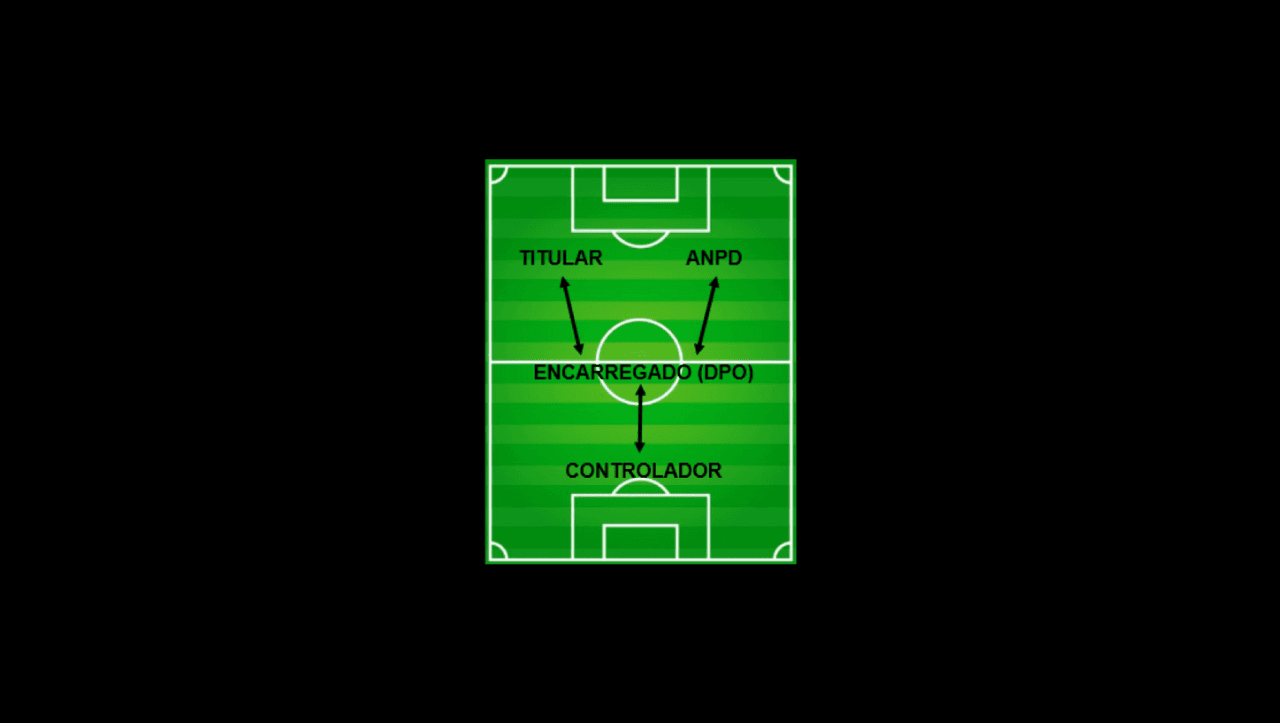
Responsibilities of a data protection officer.
Drawing an analogy from the world of soccer, we can think of the DPO as the "midfielder" of the team, responsible for connecting the defense and the attack.

Oregon OCPA and Cookies: All You Need to Know
Everything about the Oregon OCPA: who must comply, the payment transaction exclusion, 25% revenue threshold, derived data in scope, GPC requirement from January 2026, and elimination of the cure period.
New Hampshire NHDPA: Privacy Policy
Learn what your Privacy Policy must contain under the NHDPA. We break down the 8 mandatory elements and how to comply with New Hampshire's data privacy law.

What are Terms of Use and their importance for the LGPD?
Ignoring Terms of Use and their significance within a website, particularly now with LGPD, is a common mistake that both consumers and website owners frequently commit.

10 Marketing Processes You Should Rethink under the LGPD!
In the end, our goal has never been to predict doom for companies or to be part of the LGPD's Apocalypse Cavalry. But, since we've been in the market for some time, these kinds of issues always catch our attention when we start data mapping and having conversations with colleagues.
New Hampshire NHDPA: Cookies Policy
Cookies Policy under NHDPA explained. Discover what's mandatory, dark patterns to avoid, and how to implement legal cookie consent.

IOWA ICDPA: DSAR and Privacy Portal
Iowa ICDPA DSAR guide: 90-day response deadline, 45-day extension, 60-day appeal process, limited deletion scope, opt-out from data sales, targeted advertising disclosure requirement, and 90-day cure period.
California CCPA: Cookies Policy
What the California CCPA/CPRA requires from your Cookies Policy: Do Not Sell or Share link, GPC compliance, sale vs sharing distinction, sensitive PI opt-out, and annual updates.
Virginia VCDPA: DSAR Privacy Portal
How to handle DSARs under the Virginia VCDPA: consumer rights, 45-day response deadlines, the appeal process, free requests twice per year, and how to build a compliant Privacy Portal.

5 Common Cookie Consent Mistakes Hurting Your Compliance
Discover the 5 common **cookie consent mistakes** that risk your **compliance** and learn how to avoid heavy **fines**. Simplify your **data privacy** strategy using a reliable **[Cookie notice/banner](https://goadopt.io/en/blog/why-the-cookie-banner/)**.
Oregon OCPA: Cookies Policy
What the Oregon OCPA requires from your Cookies Policy: opt-out link, GPC from January 2026, opt-out without authentication, derived data in scope, teen protections, and the elimination of the cure period.
Connecticut CTDPA: Cookies Policy
What the Connecticut CTDPA requires from your Cookies Policy: opt-out link, opt-out preference signal from January 2025, 15-day consent revocation, teen protections, and targeted advertising definition.

GDPR, LGPD, and CCPA: What Are These Laws, Similarities, and Differences
LGPD, GDPR, and CCPA are data privacy regulations. In this article, we discuss their similarities and differences for practical application.
Colorado CPA: DSAR Privacy Portal
How to handle DSARs under the Colorado CPA: 5 consumer rights, portability limited to twice per year, Universal Opt-Out Mechanism, 24-month record retention, and District Attorney enforcement.

Best practices in tag categorization
It's time to talk about one of the most impactful tasks, both for the company and for the visitors of your websites: tag categorization. But why is it so impactful? What is the relevance of this configuration and how can it affect us? It is precisely because of these common questions we receive from our clients that we have written this article on best practices in tag categorization.

California CPRA: DSAR and Privacy Portal
California CPRA DSAR guide: new rights to correct and limit SPI, opt-out without multiple steps, GPC as valid opt-out, 12-month minor rule, private right of action, and CPPA enforcement.
Oregon OCPA: Privacy Policy
What the Oregon OCPA requires from your Privacy Policy: actively monitored contact channel, detailed third-party descriptions, derived data in scope, GPC from January 2026, and the elimination of the cure period.
Oregon OCPA: DSAR Privacy Portal
Oregon OCPA DSAR guide: the L.O.C.K.E.D. rights, opt-out without authentication, derived data in deletion scope, 15-day revocation deadline, GPC from January 2026, and the elimination of the cure period.
IOWA ICDPA: Privacy Policy
What the Iowa ICDPA requires from your Privacy Policy: five mandatory elements, 90-day response deadline, 60-day appeal process, opt-out for sensitive data, no retention periods required, and the 90-day cure period.

Canada PIPEDA: Privacy Policy
How to write a PIPEDA privacy policy: what the ten principles require you to disclose, what to add for Quebec, and a checklist before you publish.

Utah UCPA: DSAR and Privacy Portal
Utah UCPA DSAR guide: four consumer rights, limited deletion scope, no right to correct, no formal appeal process, no opt-out of profiling, 45-day deadline, and the guaranteed 30-day cure period.
Virginia VCDPA: Privacy Policy
What the Virginia VCDPA requires from your Privacy Policy: the 5 mandatory content categories, sensitive data obligations, targeted advertising disclosure, and the appeal process explained.

Everything about the Brazilian LGPD - General Data Protection Law.
All the important information about the General Data Protection Law - LGPD: what it is, why it exists, how it works, when it came into force, who it applies to, potential fines, steps for compliance, and its legal principles.
Explore AdOpt
Autor
João Bruno
19 Sep 2023
AdOpt


Relevant posts
What is a privacy policy?
Colorado CPA and Cookies: All You Need to Know
Tennessee TIPA and Cookies: All You Need to Know
Florida FDBR and Cookies: All You Need to Know

Texas TDPSA and Cookies: All You Need to Know
Google Consent Mode: Beginner to Advanced Guide.
Oregon OCPA and Cookies: All You Need to Know
Axeptio Strengthens its International Expansion with the Acquisition of AdOpt

Utah UCPA and Cookies: All you need to know

How to choose a Cookie Banner for your website


Address: 7345 W Sand Lake Road, Ste 210 Office 5898 Orlando, FL 32819
15 Rue du Général Campredon, 34000 Montpellier, France
207 Rue de Bercy, 75012 Paris, France
EIN: 86-3965064
Phone: +1 (407) 768-3792
AdOpt
Resources
Product
Certifications